
7 rounds · filed under dense · 2 of them
Home decor · added 6 Oct 2026
Easy wind spinner pattern worked flat then curled
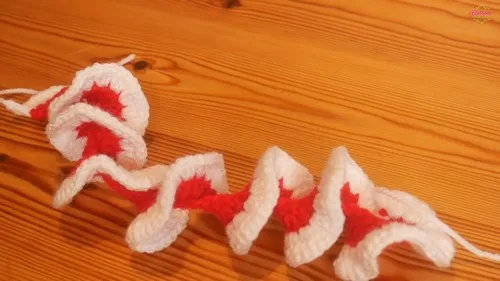
A dense single crochet base flares into airy treble fans, then curls into a wind spinner made from DK yarn.
- Skill
- Beginner
- Time
- 4-6 hours
- Hook
- 3.5 mm
- Yarn
- DK
- Rounds
- 5
About this pattern
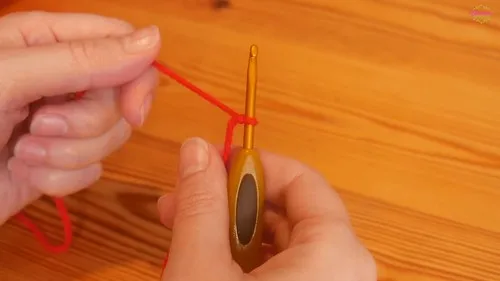
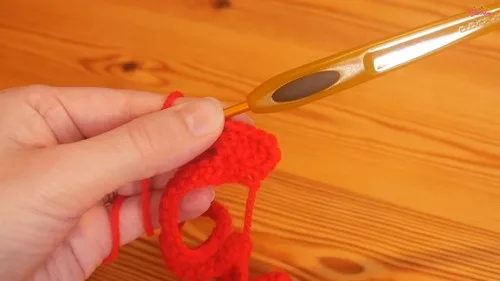
Run a finger along the first row and you feel a tight, closed surface — single crochet packed stitch to stitch along the starting chain, the kind of fabric that holds its line without stretching. That density matters here: it gives the piece a stable spine to build from. Once you move into the treble crochet rows, the hand changes completely. Two trebles worked into every stitch open the fabric into a loose, lacy mesh with real give, airy enough to let light and air pass straight through it.
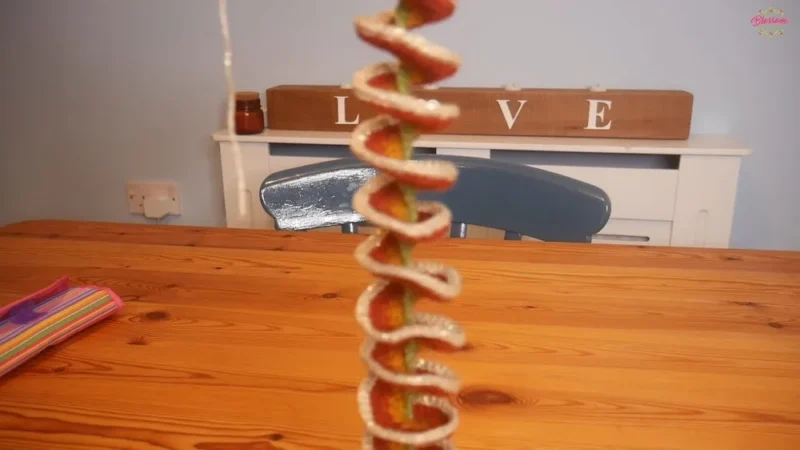
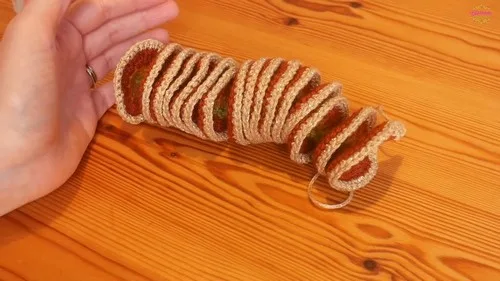
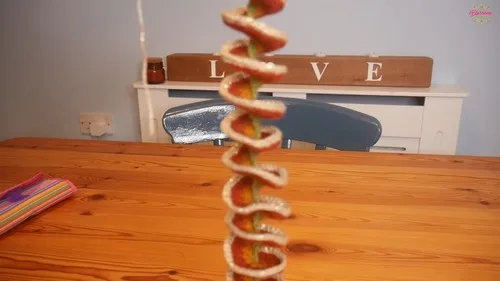
The shape starts as a narrow strip and widens as the treble rows stack, flaring outward the way a fan opens. Left flat, it reads as a trailing panel of open stitches on a dense ribbon of single crochet. The construction asks you to take that long tail and wrap the whole strip into a curl, turning the flare into a corkscrew spiral that will twist and catch air once it is hung.
The swatch in numbers
- Rounds
- 5
- Level
- Beginner
- Time
- 4-6 hours
- Hook
- 3.5 mm
- Yarn
- DK
The yarn and the hook
- DK yarn (in your choice of colors)
- 3.5 mm crochet hook
Tension and hand-feel
After the single crochet row, lay the strip flat and check that it sits straight along the starting chain without curling or buckling on its own.
If it rolls or puckers at this stage, loosen your tension slightly or move up to a larger hook before working the treble rows, since a tight base row will fight the flare that comes next.
Main Pattern
The piece should start to curl more significantly after this row. At the end of the row, if you're changing colors again, chain one, cut the yarn, and tie off. Weave in ends.
This row is to add a finishing edge and will catch the light beautifully.
At the end of the row, chain one, then leave a long tail of yarn when you cut it off. This tail will be used for hanging the wind spinner.
How the texture is built
- Row 1 anchors the whole piece in single crochet, one stitch per chain, which produces a firm, non-stretch spine rather than an increasing edge.
- Row 2 doubles the stitch count by working two trebles into every stitch along the row, and this single increase row is what turns a straight strip into a widening, fan-shaped panel.
- The piece is worked flat in turned rows rather than joined into rounds, which is what allows the finished strip to be wrapped and curled into a spiral afterward instead of staying a closed shape.
Putting the pieces together
If you swap the yarn
| Cotton, DK weight | Gives a crisper, less elastic fabric that holds the curled spiral shape more firmly outdoors; keep the 3.5 mm hook. |
|---|---|
| Acrylic, worsted weight | Produces a heavier, bulkier strip with a looser curl; move up to a 4 mm or 4.5 mm hook to keep the treble mesh from tightening up. |
| Wool-blend, sport weight | Creates a lighter, softer-draping panel with a finer, more delicate flare; drop to a 3 mm hook to keep the single crochet base from loosening. |
Colorways
- Ombre Fade Shift to a slightly lighter or darker shade of the same color family at each color-change row, so the single crochet base starts darkest and each treble row along the strip grows paler toward the tip.
- Two-Tone Contrast Work the single crochet base row in one solid color and every treble row in a second, contrasting color, so the dense spine and the open, flared mesh read as two distinct bands.
Washing and blocking
Hand wash in cool water and avoid wringing, since twisting a DK-weight strip while wet can distort the treble mesh and the curl you shaped.
Lay flat to dry, re-rolling the curl gently with your hands while the fabric is still damp so it dries holding the shape rather than relaxing flat.
Store coiled rather than hung flat for long periods, since constant tension on the long tail and the curl can slowly stretch the open treble rows.
When it does not look right
- The strip stays narrow instead of flaring outward.
- Check that both trebles were worked into every stitch of the increase row, not just some; skipping even one pair of trebles keeps that section narrow and throws off the fan shape.
- The spinner uncurls or loosens after hanging for a while.
- The long tail was not wrapped tightly enough when shaping; rewrap the curl snugly and take a few extra stitches through the overlapping layers with the tail to hold the spiral in place.
- The color bands sit crooked instead of
- Tension usually pulls uneven at the chain-one color-change points; keep that chain and the first stitch of the new color snug and consistent so each band lines up straight across the flare.
Close-ups
Questions people ask
How many rows make up the main strip?
The main pattern runs nine rows in total — the single crochet base row followed by eight rows of treble crochet. Each of those treble rows is where the flare develops.
Does the hook size change how tightly the piece curls?
Yes. A 3.5 mm hook with DK yarn gives a moderate, open treble mesh that curls into a loose spiral; a smaller hook tightens the stitches and produces a firmer, tighter curl.
Can the strip be left flat instead of curled?
It can, since the curling happens only in the final shaping step with the long tail. Left flat, the piece reads as a fan-shaped panel rather than a spinner.
What is the long tail at the end actually for?
It is not just for weaving in. That tail is the thread you wrap around the finished strip to pull it into its curled, spinner shape, so leave it long rather than trimming it short.
New patterns, as they are filed
One short email when a batch lands, with the feel of each.