
17 rounds · filed under drape · 6 of them
Hats · added 15 Sep 2026
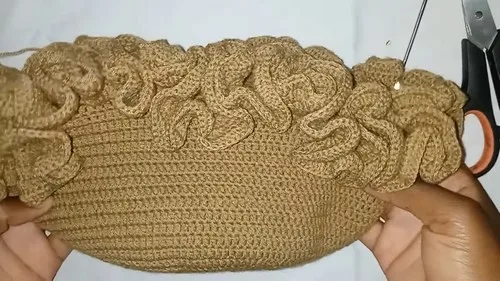
Ruffle-brim crochet hat with a flirty finish
Double crochet builds a dense crown, then rapid increases flare into a soft ruffled brim on this hat.
- Skill
- Intermediate
- Time
- 4-6 hours
- Yarn
- Worsted
- Rounds
- 17
About this pattern
Double crochet gives this hat its backbone: tall, firm stitches that build the crown quickly and hold their shape without flopping. The crown rounds pack fabric density fast, since every stitch doubles in round two, then the body settles into steady no-increase rounds that keep the fabric even and snug rather than curved. By the time the ruffle rounds start piling two and three double crochets into single stitches, the hand feels the fabric loosen and spread, going from dense and structured to soft, floppy, and full of movement.
The finished shape runs from a rounded crown down through straight sides to a wide, flared brim — closer to a floppy sunhat than a fitted beanie. Wear it pulled low with the ruffle framing the face, or push the crown back so the brim stands out on its own. Because the body rounds are worked with no increases, you can lengthen or shorten that section before starting the ruffle to land the brim exactly where you want it to sit.
The swatch in numbers
- Rounds
- 17
- Parts
- 3
- Level
- Intermediate
- Time
- 4-6 hours
- Yarn
- Worsted
The yarn and the hook
- Worsted weight yarn
- Crochet hook (size to suit your yarn)
Stitches, spelled out
ch chain; st stitch; sl st slip stitch; sc single crochetDense; hdc half double crochetDense; dc double crochetDrape; inc increase; dec decrease; mr magic ringDense; fo finish off.
Tension and hand-feel
Measure the crown straight across after round two, once every stitch has doubled from the twelve made into the magic ring, and check that it lies flat rather than cupping or curling at the edge.
If it won't lie flat, swap to a bigger hook, and if the edge is already rippling, drop down a hook size before moving into the body rounds.
The Crown (Increasing Rows)
Customize the length as desired for a snug or loose fit, making this piece perfect for all occasions. Whether you're looking for something cute for everyday wear or an eye-catching accessory for special events, this ruffle hat will surely elevate your crochet skills.
The Crown (Increasing Rows)
The Body (No-Increase Rows)
The Ruffles
How the texture is built
- The crown opens from a magic ring holding twelve double crochets, then round two works two double crochets into every stitch, doubling the count in one round to flatten the top quickly.
- The rows after that space the increases farther apart each round — two dc plus one plain stitch, then two dc plus two plain stitches, then two dc plus three plain stitches — easing the crown from a flat circle into a curved dome instead of a sudden flare.
- Once the increases taper off, the body rounds hold stitch count steady with no increases at all, producing straight sides that sit against the head instead of continuing to widen.
If you swap the yarn
| DK weight cotton | Produces a lighter, closer-fitting hat with a crisper ruffle that holds its wave rather than flopping; use a smaller hook than the pattern calls for to keep the double crochets from going loose. |
|---|---|
| Bulky weight acrylic | Builds a thicker, warmer fabric where the crown and body rounds grow the hat faster, and the ruffle stands out stiffer and more sculpted; move up to a larger hook to keep the stitches from packing too tight. |
| Worsted weight wool blend | Adds stretch and warmth to the no-increase body so it hugs the head, while the ruffle drapes softly and blocks into an even flare; the hook size given in the pattern still suits this fiber. |
Colorways
- Two-Tone Ruffle Keep the crown and body in a single main color, then alternate two colors row by row through the ruffle section — one color on rows one and three, the second on rows two and four — so the flare shows layered bands as it opens.
Washing and blocking
Hand wash in cool water rather than machine washing, since agitation can felt or pill the dense stitches at the crown and the friction points along the ruffle rounds.
Lay flat to dry and reshape the ruffle rounds by hand while damp, coaxing the flared waves back into place so they don't dry flat.
Store the hat folded rather than stacked under other items, so the weight of anything on top doesn't press the ruffle brim flat.
When it does not look right
- The crown cups instead of lying flat
- An increase round was skipped or worked short, so the stitch count fell behind what the round needed. Recount stitches after round two and after each tapering row, then add the missing increases before continuing.
- The ruffle lies flat instead of frilling out
- One of the ruffle rows wasn't worked with a full increase into every stitch, so the round didn't grow enough to flare. Check that each ruffle row matches its stitch multiple — three, then two, then two, then one double crochet per stitch — and rework any row that came up short.
- The ruffle edge feels stiff rather than soft and floppy
- The increase rows were worked too tightly, packing the stitches instead of letting them spread. Loosen tension through the ruffle rounds, or size up a hook for just that section.
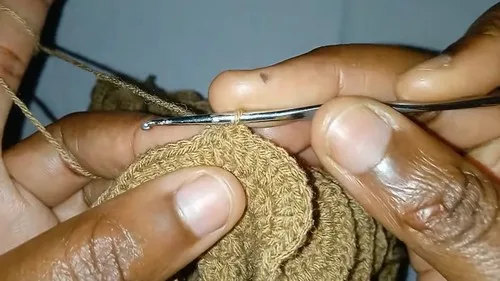
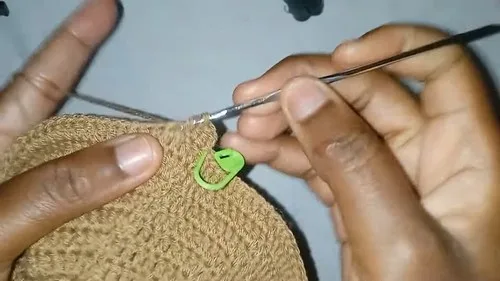
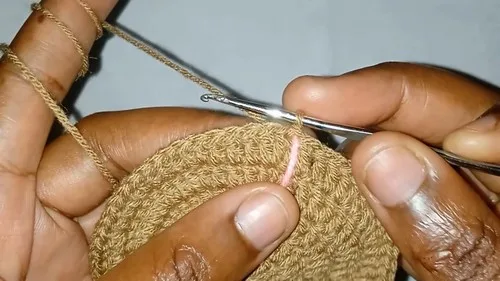
Close-ups
Questions people ask
How long should the no-increase body rounds be worked?
Work as many rounds as needed for the hat to reach the depth you want before starting the ruffle. The pattern gives two no-increase rounds as a base, but you can add or remove rounds there for a snugger or looser fit.
Can the ruffle section be left off for a plain beanie?
Yes. Stop after the no-increase body rounds and finish the edge with a slip stitch, since the ruffle rounds are worked separately on top of the body and can simply be skipped.
Why does every row start with a chain two?
The chain two stands in for the first double crochet of the round, keeping the turn even and giving the slip stitch join a clean stitch to land in at the end of the round.
Does the finished hat need blocking?
A light steam or a wet block laid flat helps the ruffle rounds settle into even waves rather than curling unevenly, especially if you've substituted a plant-fiber yarn for the pattern's weight.
New patterns, as they are filed
One short email when a batch lands, with the feel of each.